
Start with protection
Official AQI, exposure-reduction, filtration, evacuation, and medical guidance remains primary.
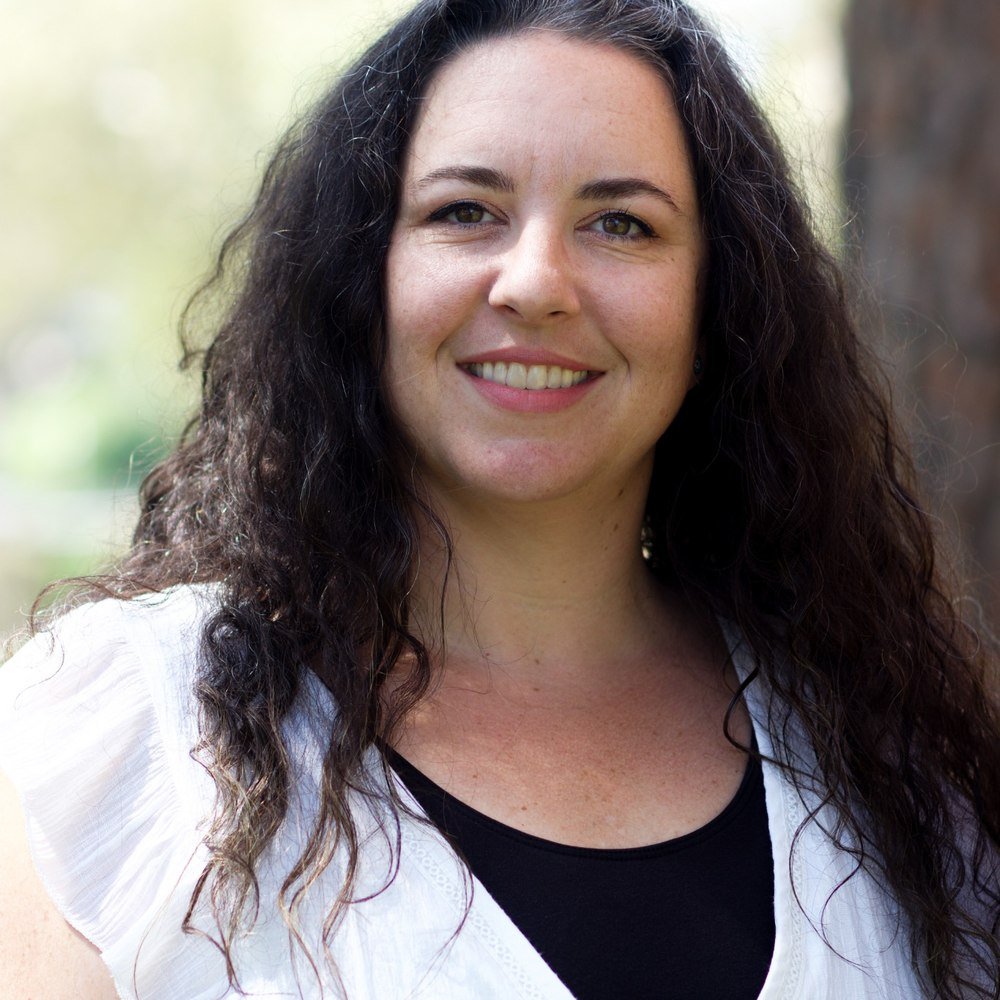
Educator & Certified Ayurvedic Practitioner
Casandra Valme, M.A. Ed., is an educator and Certified Ayurvedic Practitioner trained through Kerala Ayurveda Academy. She holds a Master of Arts in Education, a California teaching credential in Chemistry, and bachelor’s degrees in Human Communication and Mass Media. Having lived in Southern California for four decades, she brings a practical, empathetic understanding of recurring fire seasons. Her work translates traditional seasonal-wellness frameworks into clear, accessible routines for modern families.
“Having lived in Southern California for the past 40 years, I have experienced countless fire seasons firsthand. I understand how the stress of recurring events affects our community. In our region, severe fires are no longer a question of if, but when.”
“My motivation is to help families build a foundational toolkit before the smoke arrives, so they are not scrambling in a state of crisis. My approach connects science education, curriculum design, and time-tested wellness principles, translating them into familiar actions that families can realistically use.”
Official AQI, exposure-reduction, filtration, evacuation, and medical guidance remains primary.
Instructions use familiar terms first. Traditional language appears only as optional educational context.
Every practice identifies who should use caution, when to stop, and when professional care is more appropriate.
The goal is a small, practical household routine—not an intimidating or rigid protocol.